


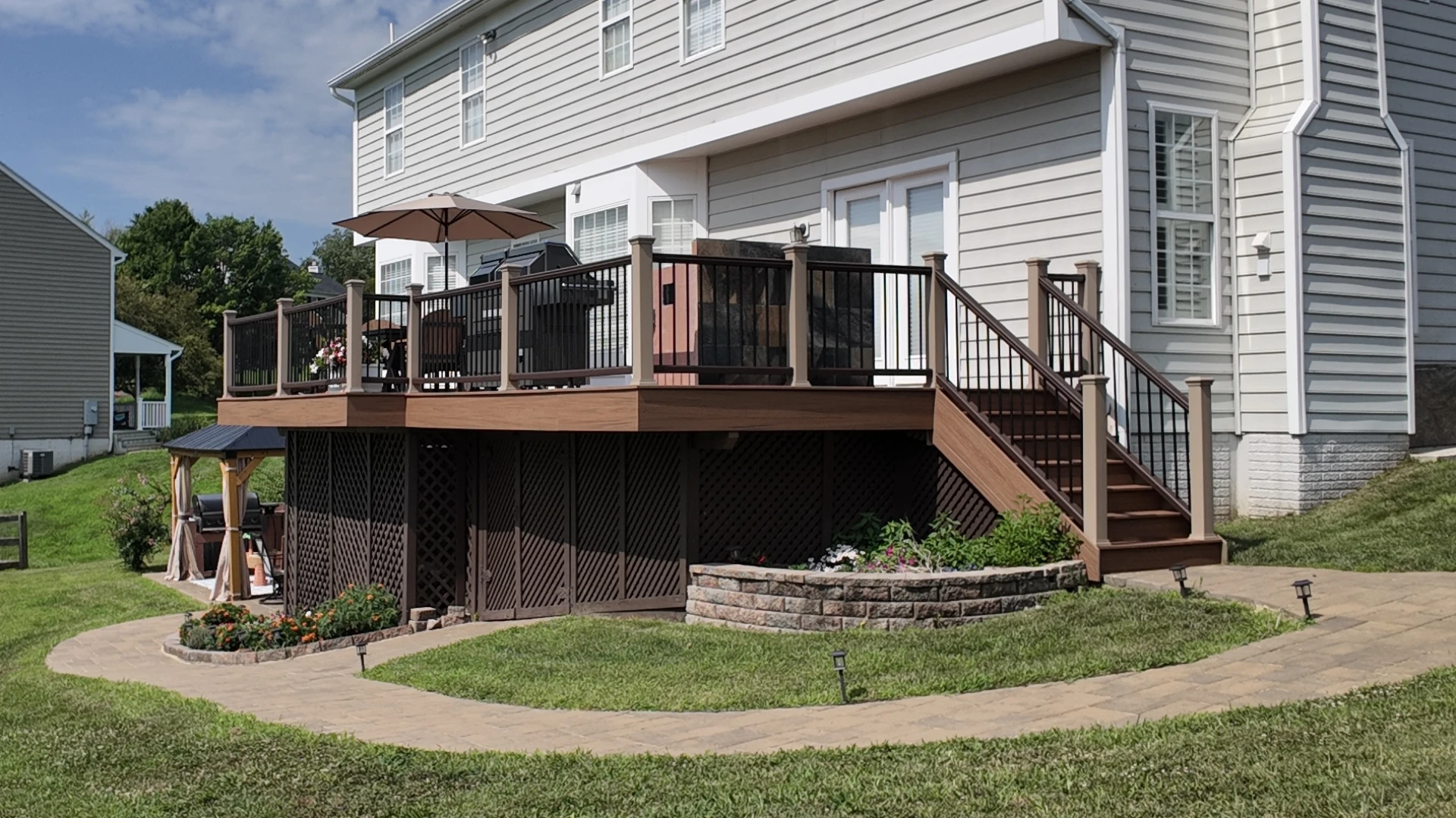
Choosing the right decking material is one of the most important decisions you’ll make when planning a new outdoor space for your Massachusetts home. The material you pick affects everything from how your deck looks and feels to how much maintenance it needs and how long it lasts. With so many options on the market today, it’s easy to feel overwhelmed. Composite, wood, and PVC each bring something different to the table, and the best decking material for your home depends on your budget, your style preferences, and how much upkeep you’re willing to take on. Understanding how each option performs in the Massachusetts climate will help you make a decision you’ll be happy with for years to come.
Why Climate Matters in Massachusetts
Massachusetts weather doesn’t hold back. Harsh winters with heavy snow and ice, humid summers, coastal moisture, and constant freeze-thaw cycles throughout spring and fall all put serious stress on outdoor structures. A deck that performs beautifully in a mild climate can crack, warp, or rot quickly here if the material isn’t built to handle these conditions.
That’s why finding the best decking material for a Massachusetts home means thinking beyond looks and price. You need something that can expand and contract without splitting, resist moisture from every direction, and hold up under feet of snow without deteriorating. Every material handles these challenges differently, and knowing those differences upfront saves you from expensive surprises down the road.
Wood Decking
Wood remains the most traditional and widely recognized decking option. Pressure-treated lumber is the most affordable choice, offering solid durability and resistance to rot and insects when properly maintained. Cedar and redwood step things up with a more refined natural appearance and built-in resistance to decay, while exotic hardwoods like Ipe and Tigerwood deliver exceptional strength and stunning grain patterns that can last for decades.
The trade-off with wood is maintenance. Massachusetts humidity, rain, and snow demand regular staining, sealing, and inspections to keep wood looking good and structurally sound. Without consistent upkeep, even the best decking material in the wood category will fade, crack, and deteriorate faster than you’d expect. For homeowners who love the warmth and character of real wood and don’t mind the hands-on care, it’s still a fantastic option.
Composite Decking
Composite has exploded in popularity across Massachusetts over the past decade, and it’s easy to see why. Made from a blend of wood fibers and recycled plastics, composite delivers the look and feel of natural wood with dramatically less maintenance. It resists fading, staining, scratching, moisture damage, and insect activity, making it one of the best decking material choices for homes that face harsh New England weather.
Premium composite brands like Trex, TimberTech by Azek, Fiberon, and Deckorators offer a wide range of colors, textures, and wood grain patterns that look remarkably realistic. Most come with lengthy warranties that cover fading and structural performance, giving you added peace of mind. The upfront cost is higher than pressure-treated wood, but the savings on annual maintenance and the extended lifespan make composite a smart long-term investment.
PVC Decking
PVC decking is the fully synthetic option, made entirely from polyvinyl chloride with no wood fibers at all. This gives it the highest resistance to moisture of any decking material on the market, which is a major advantage in Massachusetts where rain, snow, and coastal humidity are constant factors. PVC won’t rot, warp, crack, or absorb water under any conditions.
It’s also incredibly lightweight, easy to clean, and resistant to mold and mildew. The best decking material in the PVC category offers realistic wood grain textures and a solid range of color options, though some homeowners feel it lacks the natural warmth of wood or high-end composite. PVC typically carries the highest price tag of the three options, but for homeowners who want the absolute lowest maintenance and maximum moisture protection, it’s hard to beat.
Comparing Long-Term Value
When deciding on the best decking material for your Needham home, it pays to think beyond the initial price tag. Wood costs less upfront but requires ongoing spending on stain, sealant, and occasional board replacement. Composite sits in the middle, balancing a moderate upfront cost with minimal long-term maintenance expenses. PVC is the most expensive initially but offers the lowest lifetime ownership cost thanks to its near-zero upkeep requirements.
Your lifestyle matters too. If you’d rather spend your weekends relaxing on your deck instead of maintaining it, composite or PVC will make you happier in the long run. If you enjoy the process of caring for real wood and love its natural character, traditional lumber might be the best decking material for your personal priorities.
Hiring the Right Contractor
No matter which material you choose, the contractor you hire determines how well your deck performs over time. Look for a licensed, insured builder with strong experience working with your chosen material and a deep understanding of how Massachusetts weather affects outdoor structures. Ask for photos of completed projects, read reviews from past clients, and make sure they offer clear warranties on both materials and labor.
At Bevilacqua Decking, we help Needham homeowners and families across Massachusetts choose and install the best decking material for their home, lifestyle, and budget. Whether you’re leaning toward composite, wood, PVC, or still deciding, our team is ready to guide you through every step. Call us today at (508) 254-8241 for a free consultation and personalized quote.